How to Remove Red Clay Stains from Charlottesville Driveways & Walkways
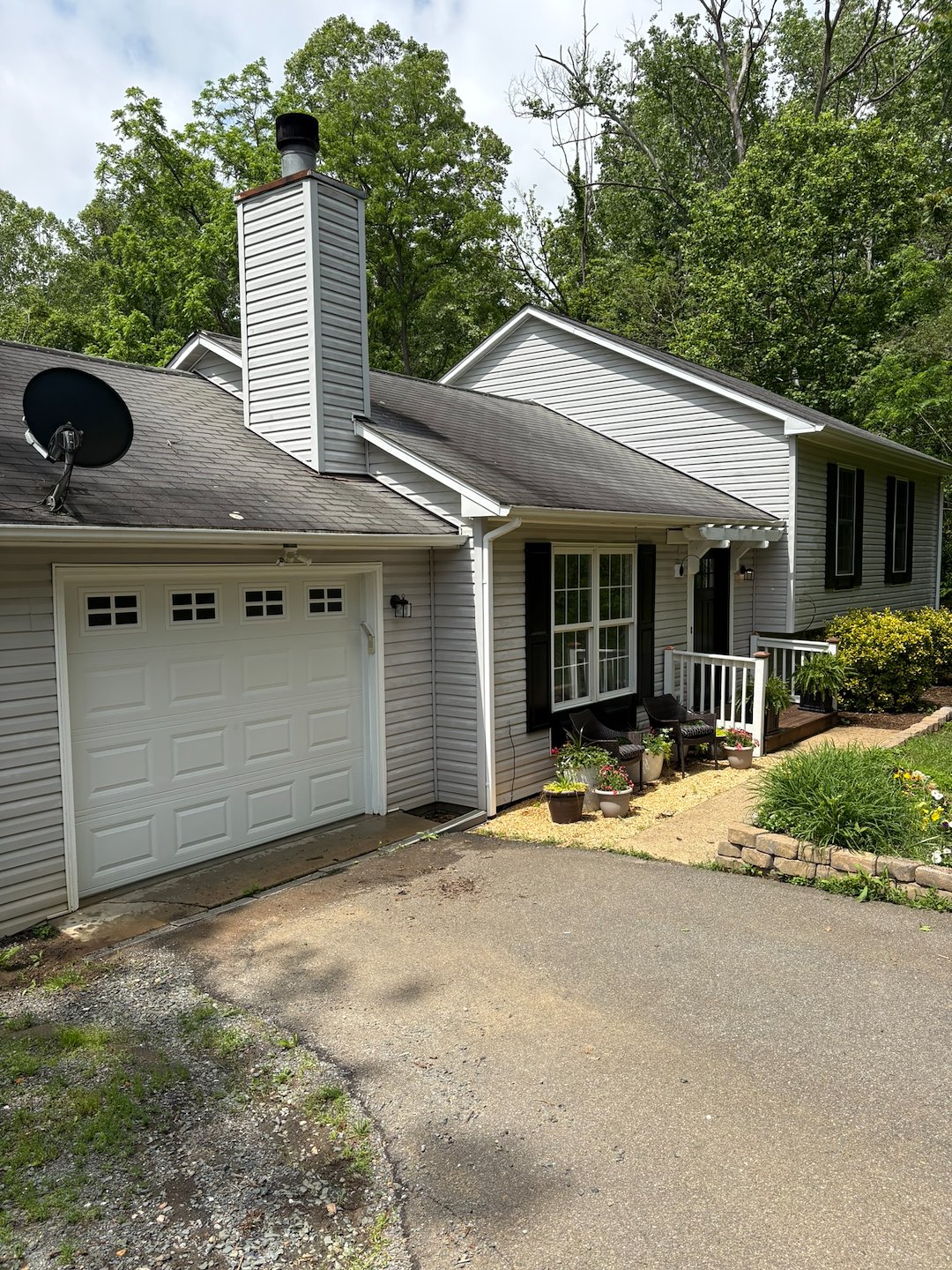
If red clay keeps painting your entry orange, you are not alone. Red clay stain removal in Charlottesville is one of the most common reasons homeowners call Stang's Softwash and Pressure Washing. Our climate, soils, and steep driveways create a perfect recipe for stains that cling to concrete and pavers. When a clean, even finish matters, professional driveway washing gives your surface the best chance to look bright and stay that way.
Below, we explain why these stains are so stubborn, what a careful professional process looks like, and how to set realistic expectations for concrete and sidewalk restoration across Albemarle County neighborhoods like Belmont, Fry’s Spring, North Downtown, and Forest Lakes.
Why Red Clay Stains Stick to Concrete in Charlottesville
Our local soils are rich in iron and fine silt. When heavy spring rains push that soil across your driveway, tiny particles lodge in the concrete’s pores. As the surface dries, the iron oxidizes and leaves an orange tint that resists simple rinsing. The result is patchy, rusty shading near low spots, edges, and areas where mulch beds meet the slab.
Concrete is strong but porous. Fresh concrete, broom-finished walks, and pavers can all pull in pigment. Add shade from oaks and pines, frequent summer humidity, and leaf tannins, and the stain sets deeper. That is why you may see streaks where water runs off a slope or down a tire track after every thunderstorm.
Clay in Central Virginia carries iron oxides that tint porous concrete, which is why water alone rarely clears the orange cast. A smart plan uses the right cleaning chemistry, controlled pressure, and patient rinse techniques so the surface looks even in full sun, not just wet and dark right after a wash.
The Professional Process for Red Clay Stain Removal
Pros start with a site walk. We check water flow, note shaded zones that stay damp, and identify stains beyond red clay, like irrigation rust or fertilizer burns. Matching the chemistry to the stain is key, and so is protecting landscaping from overspray and runoff.
On driveways and walkways, the cleaning team applies targeted solutions designed for iron-oxide discoloration and organic film. Controlled pressure lifts soil from the capillaries without scarring the paste layer. A careful technician rinses methodically so the lift looks uniform, including along seams, curbs, and the first few feet of the street apron where clay collects.
Testing in a small, hidden area is standard practice before full treatment. This confirms the surface will respond as expected and helps dial in dwell time and rinsing so the final look is bright, balanced, and free of “tiger striping.”
What We Evaluate Before We Clean
- Drainage, slope, and where runoff enters or exits the slab
- Surface type and age, from broom-finished concrete to pavers
- Shade patterns and nearby plantings that trap moisture
- Other stains present, such as irrigation rust, oil, or tannins
- Safety zones for plants and painted surfaces
Common Stains We See on Central Virginia Concrete
Red clay is not the only culprit. A trained eye separates stains so the treatment fits the problem and the finish stays even.
- Orange clay deposits and iron-oxide tint from soil runoff
- Irrigation rust from well water or metal fixtures, often orange-brown halos
- Fertilizer streaks and leaf tannins after fall cleanup
- Oil, drips, and brake dust from daily parking
- Algae and mildew along shaded edges and expansion joints
If you are wondering how long the clean look can last in our climate, this article on how long a clean driveway lasts explains realistic timelines for Central Virginia homes.
When Red Clay Keeps Coming Back, Fix the Source
Some driveways sit below a sloped yard or a mulched bed. Others catch runoff from a downspout or sprinkler. In those spots, clay washes back after the first heavy rain. A professional plan considers small changes, like redirecting splash zones or adjusting bed edges, so the clean finish does not fight a losing battle every storm.
For homes near active construction or gravel roads, powdery dust and clay film can return fast. That does not mean cleaning failed. It means your surface has constant exposure. The right service interval and optional post-treatment steps help your entry hold its brightness between seasons.
Plant and landscape protection is part of every professional visit. Crews shield sensitive areas and rinse with care so shrubs, lawns, and flowerbeds stay healthy while surfaces are restored.
Driveway Cleaning in Charlottesville: What Results to Expect
Most homeowners see a significant improvement after one professional service, especially where stains are recent and the surface drains well. Older, deep-set tint may need targeted follow-up to even the tone along curbs and low points. The right sequence is chosen to brighten the entire field so your driveway and front walk match from the curb to the door.
Your results also depend on sunlight, traffic, and water exposure. Open, sunny driveways that dry quickly tend to stay brighter longer. Shaded drives under heavy tree cover, such as parts of Belmont or Fry’s Spring, may benefit from a shorter maintenance cycle. For a strong, uniform first impression, pairing the driveway with front walkways can make the entry feel new again.
When you want a fast reset and a bright, even finish, schedule professional driveway washing with a team that understands local soils and weather patterns. That way you get a uniform look in full daylight, not just right after the rinse.
Safe Chemistry, Not Guesswork
Red clay is more than dirt. It is a pigment problem. Treating it correctly means selecting solutions built for iron-oxide discoloration and rinsing them completely. The wrong product can open the surface or leave a haze that grabs dirt faster the next time it rains.
Never mix chemicals or try acid cleaners on your own concrete. Unbalanced products can etch the paste layer and leave permanent marks. Trained technicians use calibrated equipment and proven cleaners so the slab is bright without damage, and so metals, glass, and plants stay protected.
Where Red Clay Shows Up Around Town
Across Charlottesville and Albemarle County, we see patterns repeat. Hillside homes in Ivy and Crozet often get clay trails down the apron after storms. Properties near wooded creeks or shaded lanes in North Downtown collect algae along expansion joints. Driveways in open neighborhoods like Forest Lakes and Hollymead do better between services because full sun speeds dry time.
Sidewalks near busy roads catch a blend of clay dust and brake residue, which explains why crosswalk corners and curb ramps look extra dingy. The orange cast is common where sprinklers overshoot the walk or where downspouts leak across the same edge week after week.
How We Communicate Timelines and Maintenance
We like clear, local guidance that fits your property. After a first service, most Charlottesville driveways hold a bright look for one year or more, depending on sun and water exposure. Heavily shaded, tree-lined entries benefit from a shorter interval, especially where runoff pushes clay across the slab.
If you want to align your curb appeal with cookouts, holidays, or home showings, we help you back-time the service so your entry pops when guests arrive. That approach prevents last-minute scrambles and gives our team the best window to clean around weather and pollen cycles.
For homeowners searching “power washing orange mud stains” or “iron oxide concrete cleaner,” remember that the best results come from pairing the right chemistry, careful rinsing, and good water control. That is professional concrete restoration in practice, not a quick spray-and-pray.
Related Services to Refresh Your Whole Entry
Driveways rarely sit alone. Walkways, steps, and curbs frame the same view. If you want everything to match, adding targeted concrete cleaning for sidewalks and porches ties the entry together. Many homeowners in Albemarle County also ask about sidewalk rust stain removal around sprinkler heads and hose bibs so the entire path looks uniform from street to stoop.
To learn more about maintenance timing in our region, visit our blog and read about how long a clean driveway lasts in Central Virginia.
A Local Approach You Can Trust
Charlottesville’s mix of clay soils, steep drives, and long pollen seasons means your plan should be local and practical. That starts with a team that respects your time, shields your landscape, and communicates what to expect based on shade, drainage, and traffic. If you are researching options, a quick first step is to learn about red clay stain removal in charlottesville from a company that serves your neighborhood every week.
From Pantops and Rio Road to Crozet and Earlysville, homeowners count on skilled pressure washing in Albemarle County to reset curb appeal and stop orange film from taking over high-visibility areas.
Ready for a Cleaner Driveway in Charlottesville?
If orange clay streaks are stealing the spotlight from your home, it is time to call a pro who handles our soils every day. Reach out to Stang's Softwash and Pressure Washing at 434-906-9593 for scheduling and a clear plan tailored to your property. When you want a bright, even finish across the whole entry, choose trusted driveway washing backed by careful prep, safe chemistry, and results that look great in full sunlight.
RECENT TIPS
-
Commercial Pressure Washing in Lynchburg VA: Oil Stain Removal & Storefront Maintenance
High-traffic areas in Lynchburg see it all: spilled coffee, tracked-in grime, and oil drips from constant vehicle turnover. If your storefront or plaza sits on Wards Road or near Downtown, you need a cleaning plan built for speed, safety, and results. That is where our team […]
-
Charlottesville HOA Gutter Cleaning Requirements: Avoiding Fines and Water Damage
Gutter cleaning in Charlottesville is not just curb appeal. For many neighborhoods with HOAs, clean and functioning gutters are part of community standards. If your gutters overflow or show black “tiger stripes,” you can draw a notice and risk fines. This guide explains what local HOAs […]